
by Jason Smith
Share

Cladding is essential for reducing heating bills in park homes. It acts as a barrier against heat loss, preventing cold air from seeping in and keeping warm air inside. With materials that have excellent thermal insulation properties, cladding minimizes your reliance on heating systems, leading to lower energy consumption. This means you’ll save money on heating costs in the long run. Curious about how to choose the right cladding for your home? There’s more to explore!
Key Takeaways
- Cladding acts as a barrier, minimizing cold air infiltration and maintaining a stable indoor temperature in park homes.
- Insulating cladding materials enhance thermal performance, reducing reliance on heating systems and lowering energy consumption.
- High-quality cladding improves HVAC efficiency by minimizing heat loss, leading to decreased heating bills.
- Investing in durable cladding materials reduces long-term maintenance costs while enhancing energy efficiency, resulting in cost savings.
- Aesthetic improvements from cladding can increase market value and appeal, making homes more desirable in the long run.
Understanding The Importance of Insulation in Park Homes
When it comes to reducing heating bills in park homes, understanding the importance of insulation is essential. Proper insulation acts as a barrier against heat loss, keeping your home warm during the colder months. Without it, you might find yourself cranking up the heater, leading to skyrocketing energy bills.
You should focus on ensuring your walls, roof, and floors are adequately insulated. This not only helps in maintaining a comfortable temperature but also prevents drafts that can disturb your cozy environment.
Additionally, effective insulation can improve your HVAC system’s efficiency, meaning it won’t have to work as hard to keep you warm. While you might be tempted to overlook insulation, investing in it can pay off considerably in the long run. Remember, a well-insulated park home is not just about comfort; it’s about saving money and enhancing energy efficiency too.
Types of Cladding Materials for Enhanced Energy Efficiency
As you look to enhance energy efficiency in your park home, choosing the right cladding materials is essential. Selecting high-quality cladding not only boosts the aesthetic appeal but also considerably impacts your home’s thermal performance. Here are three cladding materials that can make a difference:
Enhancing your park home’s energy efficiency starts with choosing the right cladding materials for better aesthetics and thermal performance.
- Vinyl: Known for its durability and low maintenance, vinyl cladding provides a good thermal barrier while being cost-effective.
- Wood: If you’re aiming for a natural look, wood can be a fantastic option. Treated properly, it can also offer excellent insulation properties.
- Metal: Metal cladding, especially when combined with insulation, can reflect heat and reduce energy costs efficiently, though it may require more maintenance than other materials.
How Cladding Reduces Heat Loss in Park Homes
Choosing the right cladding materials not only enhances your park home’s exterior but also plays an essential role in reducing heat loss. When you insulate your home with effective cladding, you’re creating a barrier that minimizes cold air infiltration and heat escape. This helps maintain a more stable indoor temperature, making your living space cozier during the colder months.
Additionally, cladding materials often come with excellent thermal insulation properties. By using products designed for energy efficiency, you can drastically decrease your reliance on heating systems. The less heat you lose through your home’s walls, the lower your heating bills will be.
Moreover, a well-insulated park home means that you’ll also rely less on energy consumption, promoting sustainability while saving money. Overall, investing in quality cladding is a smart way to enhance comfort and considerably cut down on your heating costs.
The Aesthetic Benefits of Cladding
Cladding isn’t just about insulation; it can also dramatically enhance the visual appeal of your park home. With the right choice of materials and colors, you’ll not only improve aesthetics but also boost your home’s market value. Here are three aesthetic benefits of cladding:
- Variety of Materials: Whether you prefer wood, vinyl, or metal, cladding offers endless options, allowing you to achieve your desired look.
- Color Customization: You can choose from a wide palette to suit your style. A fresh coat or a new shade can completely transform your exterior.
- Modern Designs: Cladding can give your park home a contemporary edge. Sleek finishes and innovative patterns can make your home stand out in the community.
With these aesthetic benefits, you’ll create a space that feels inviting while also reflecting your unique personality. So, go ahead and explore your cladding options!
Longevity and Maintenance of Cladding Materials
When choosing cladding materials, it’s important to ponder their durability and how they’ll hold up over time. Regular maintenance is key to ensuring your cladding lasts, which can ultimately save you money in the long run. Let’s explore what you need to know about keeping your home’s exterior both efficient and appealing.
Material Durability Factors
Selecting the right materials for your park home’s cladding can profoundly impact its longevity and overall maintenance. You’ll want materials that can withstand the elements while requiring minimal upkeep. Here are three key factors to bear in mind:
- Weather Resistance: Choose materials that resist moisture, wind, and UV damage to guarantee they stay looking good for years.
- Durability: Some materials, like fiber cement or vinyl, have impressive lifespans compared to wood, which can rot or warp over time.
- Impact Resistance: Select cladding that can handle potential impacts from hail or debris, preventing dents or cracks.
Being proactive about these factors will help you enjoy reduced heating bills and maintain the beauty of your park home for years to come.
Routine Maintenance Needs
Maintaining the materials you’ve chosen for your park home’s cladding is just as important as selecting them in the first place. Regular inspections can help you catch any issues before they become major problems. Look for signs of wear, such as cracks, peeling, or discoloration. Depending on the material, you might need to power wash, paint, or seal it periodically. For wood cladding, treating it with a weatherproof sealant can prolong its life. Vinyl cladding usually requires less upkeep, but you should clean it occasionally to prevent mold and dirt buildup. By staying proactive with your maintenance, you’ll guarantee your cladding lasts longer and continues to provide energy efficiency, contributing to lower heating bills for years to come.
Long-term Cost Efficiency
Choosing the right cladding materials can greatly impact your park home’s long-term cost efficiency. By investing in durable materials, you not only enhance insulation but also reduce your maintenance costs over time. Here are three things to ponder:
- Longevity: High-quality cladding can last decades, reducing the need for replacements and saving you money in the long run.
- Maintenance: Some materials require less upkeep than others, so look for options that resist rot, corrosion, and fading to limit your repair expenses.
- Energy Efficiency: The right cladding improves insulation, meaning less energy consumption and lower heating bills.
Cost-Effectiveness: Investing in Cladding
When you invest in quality cladding for your park home, you’re not just enhancing its appearance—you’re also making a smart financial decision. Over time, the energy efficiency improvements can lead to significant savings on your heating bills. It’s all about finding that balance between initial costs and the long-term benefits.
Long-Term Financial Benefits
How can investing in cladding lead to significant long-term savings on heating bills? By enhancing your park home’s insulation, cladding can keep warm air in and reduce energy waste. Here are three key financial benefits:
- Lower Energy Costs: Improved insulation means you won’t have to crank up the heating as often, leading to reduced monthly energy bills.
- Increased Property Value: Quality cladding can enhance your home’s aesthetic appeal and energy efficiency, making it a more attractive option for potential buyers.
- Reduced Maintenance Costs: Cladding protects your home from weather damage, which can minimize repair expenses over time.
Energy Efficiency Improvement
While investing in cladding might seem like a significant upfront expense, the cost-effectiveness of this improvement quickly becomes apparent. By enhancing the insulation of your park home, cladding helps maintain a stable temperature, reducing your reliance on heating systems. This means lower energy bills over time, ultimately offsetting the initial investment. You’ll notice a warmer, cozier environment, especially during colder months. Additionally, improved energy efficiency can even boost your property’s resale value. Think about it this way: every penny saved on heating is a penny you can reinvest elsewhere. In the long run, the smart choice is clear—cladding not only offers immediate comfort but also represents a financially savvy investment in your home’s energy efficiency.
Case Studies: Real-Life Examples of Cladding Impact
Many homeowners have seen firsthand the substantial difference cladding can make in energy efficiency. For instance, one park home in the Lake District upgraded its exterior to insulated cladding, leading to a 30% reduction in heating bills. By retaining more heat, the owners noticed a remarkable comfort level during winter months.
- A park home in Cornwall found that their new cladding decreased energy costs by £300 annually, allowing for a quicker ROI on the renovation.
- Another residence in Yorkshire reported improved energy ratings, shifting from a C to a B rating, showcasing how cladding can enhance property value too.
- In Essex, a homeowner experienced a drop in heating needs, meaning they could turn down their thermostat during colder months without sacrificing comfort.
These real-life examples clearly illustrate how cladding can greatly boost energy efficiency.
Tips for Choosing the Right Cladding for Your Park Home
Choosing the right cladding for your park home can greatly impact both energy efficiency and aesthetics. Start by considering the material. Options like vinyl, wood, and metal each offer unique benefits. Vinyl is low-maintenance and durable, while wood provides a natural look but needs upkeep.
Choosing the right cladding can enhance energy efficiency and aesthetics, with options like durable vinyl or natural wood.
Next, think about insulation properties. Good cladding should enhance insulation, helping you save on heating bills. Look for materials with high thermal resistance ratings.
Don’t forget about color and style. Choose shades that blend well with the surrounding environment and reflect your personal taste. Light colors can help keep your home cooler in summer, while darker shades provide a cozy feel in winter.
Finally, consult local regulations and neighborhood aesthetics to guarantee your choice fits in. By keeping these tips in mind, you’ll be well on your way to finding the perfect cladding for your park home.
Frequently Asked Questions
How Does Cladding Affect the Resale Value of Park Homes?
Think of your park home as a nest, where appearance and protection matter. Cladding greatly boosts resale value by not only enhancing curb appeal but also demonstrating well-maintained integrity. Buyers are likely to pay more for homes that look great and are energy-efficient. Plus, it offers an impression of quality, giving your property an edge in a competitive market. So, investing in cladding could pay off handsomely when you’re ready to sell.
Can Cladding Be Installed Over Existing Exterior Surfaces?
Yes, you can install cladding over existing exterior surfaces, as long as the existing material is in good condition. It’s important to guarantee proper ventilation and moisture control to avoid any issues like mold or rot. If you’re unsure about the process, you might want to consult with a professional to make sure it’s done correctly. Proper installation will enhance the appearance and longevity of your park home.
What Is the Typical Lifespan of Different Cladding Materials?
Imagine your home as a well-loved book, its cover protecting the stories within. Different cladding materials have varying lifespans: vinyl can last around 20-40 years, wood often endures 15-30 years, while fiber cement may reach 25-50 years. Metal siding can last even longer, up to 50 years or more. Just as a sturdy cover prolongs a book’s life, the right cladding safeguards your home, allowing it to weather the seasons beautifully.
Are There Grants Available for Installing Cladding in Park Homes?
Yes, there are grants available for installing cladding in park homes. Several local and government initiatives aim to improve energy efficiency and support homeowners like you. You might want to check programs related to energy efficiency upgrades or local housing schemes. It’s always a good idea to research and reach out to your local council or energy watchdog for the latest information on available grants and how you can apply.
How Does Weather Impact the Performance of Different Cladding Types?
Weather’s a fickle friend, and it can dramatically affect how cladding performs. When temperatures drop or rise unexpectedly, materials like vinyl or wood can expand and contract, leading to potential gaps or weakening. Additionally, heavy rain or storms might wear down certain types faster. Your choice in cladding needs to take into account these elements to guarantee durability and effectiveness throughout the seasons. Staying proactive will help you make a well-informed decision.
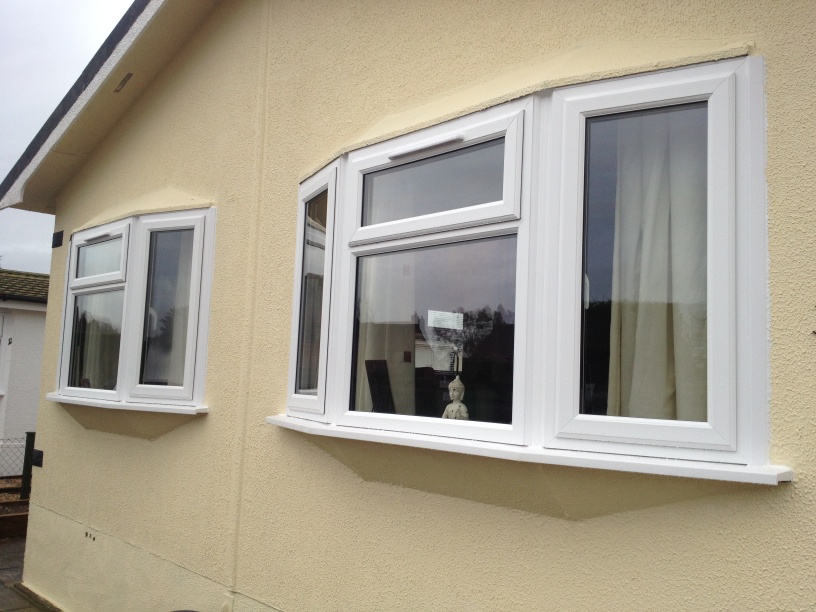
Optimize your static caravan experience with made to measure windows that enhance comfort, security, and style—discover the transformative potential today.

What should you consider when choosing static caravan glazing? Discover the crucial factors that could impact your comfort and energy bills.

Simply choose Westcoast for tailored designs and exceptional quality, and discover how we can transform your park home into a dream sanctuary.

Harness the ultimate caravan winter preparation checklist for windows, doors, and cladding; discover essential tips to ensure your comfort this winter season.
